


 Inquiries by Email
 WhatsApp Reservation


Written and medically reviewed by Yuichi Wakabayashi, MD, PhD · American Board of Regenerative Medicine (ABRM) Board Certified · Updated 2026-11-10
Osaka is not only for eating. Five regenerative treatments are on offer in one clinic in Shinsaibashi, and four of them can be done on the day you visit. Here is the short list.
Same day: exosome IV drip, NMN IV drip, exosome facial, and targeted exosome injections for scalp, knees and men’s health.
Worth a return trip: therapy with your own cultured stem cells. Start on this trip, come back in about 7 weeks.
The setting: a private room for every treatment, and a physician who speaks English with you himself.
Booking: WhatsApp or email, before you arrive.
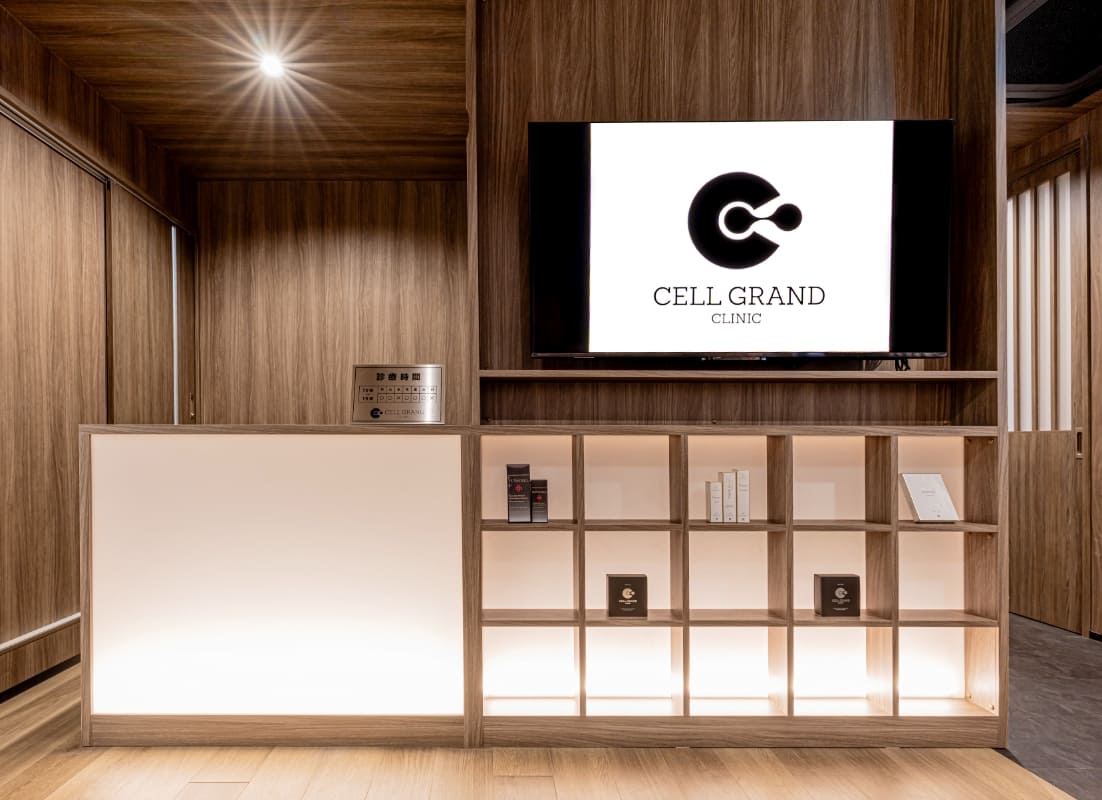
You have the food list. You have the temple list and the shopping list. Here is one more: five things you can do for your body while you are in Osaka, all in one clinic, five minutes on foot from Shinsaibashi and Namba stations.
Four of them fit into a single afternoon. The fifth is the one people plan a trip around. Every treatment is given in a private room, the doctor speaks English with you directly, and a few of these are hard to find at home, which is a good reason to try them while you are here.
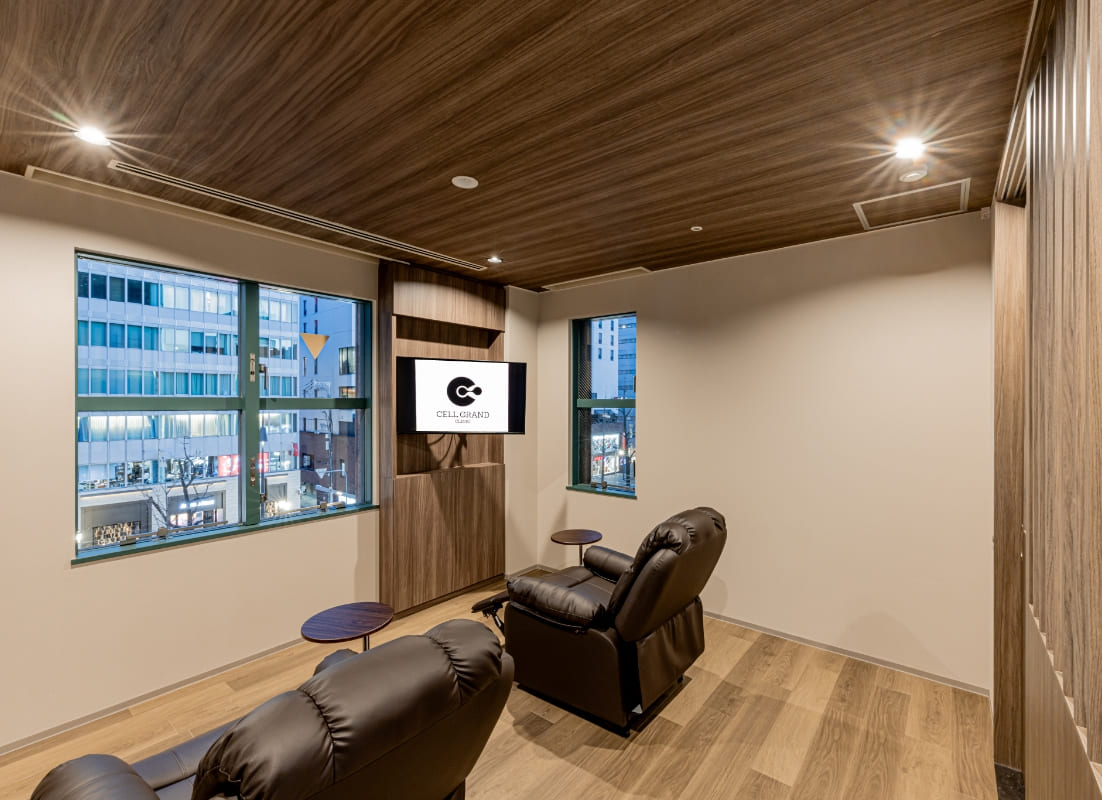
Getting here is easy. The clinic sits right on Midosuji, the main boulevard through the centre of Osaka, a short walk from the shops of Shinsaibashi. Inside, it feels more like a hotel lounge than a clinic: wood, soft light, reclining chairs, and windows that look out over the avenue.
1. Exosome IV Drip: The One to Try First
Exosomes are tiny messenger particles released by stem cells. At Cell Grand Clinic they come from the culture fluid of stem cells from Japanese donors, grown without animal serum. One drip carries about 300 billion exosomes, counted by their surface markers (CD9, CD63, CD81) and not by particle size alone.
The drip takes about 30 minutes. You settle into a private room with a view over Midosuji, the line goes in, and that is your part done. Visitors book it for general conditioning and as part of an anti-aging routine, and it is the easiest way to get a first taste of regenerative medicine in Japan.
Same day: Yes, after a consultation with the doctor
Where: A private room
Time needed: About 30 minutes for the drip
Good for: A first experience of regenerative medicine
Tip: Send your travel dates on WhatsApp before you fly
2. NMN IV Drip: The 30-Minute Stop
NMN is a compound your body turns into NAD+, a coenzyme your cells use to make energy. NAD+ levels fall with age, which is why NMN has become a fixture of anti-aging medicine in Japan.
Here it is given as a drip in about 30 minutes. That is short enough to slot between lunch in Namba and an evening on Dotonbori. Sit back in a private room and let the hour belong to you.
Same day: Yes, after a consultation with the doctor
Time needed: About 30 minutes for the drip
Good for: One quiet stop in a packed itinerary
Tip: An easy one for the afternoon you land
Coming to Osaka? Book before you fly.
Tell us your travel dates and which treatment interests you. A consultation with the doctor comes first, and if you go ahead with treatment, the consultation fee is included in the treatment fee.
3. Exosome Facial: Skincare Beyond the Drugstore Haul

The same exosome fluid, this time placed into the skin of your face instead of a vein. Japan is famous for skincare, and most visitors stop at the drugstore shelves. This is the clinic version.
It is the pick for travellers who want to bring home more than sheet masks. The doctor looks at your skin first and tells you what is realistic.
Same day: Yes, after a consultation with the doctor
Where: A private room
Good for: Skin texture and firmness concerns
Tip: Ask about redness before you book a big dinner the same night
4. Targeted Exosome Injections: Scalp, Knees, Men’s Health
Exosomes can also go exactly where you want them. Scalp, for thinning hair. Knees, into the joint, for people whose knees complain on Kyoto’s temple steps. And men’s health, by local injection, handled privately and without fuss.
Tell the doctor what bothers you, and he will tell you whether a local treatment makes sense for you.
Same day: Yes, after a consultation with the doctor
Where: A private room, for every area
Good for: One specific concern you have been putting off
Tip: Mention the area when you book, so the right time is set aside
5. Your Own Stem Cells: The One People Fly to Japan For
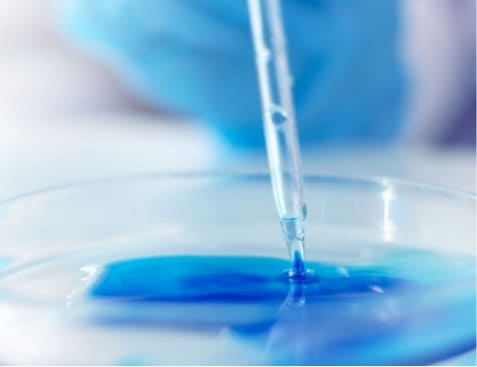
This is the one visitors plan a trip around. A small amount of your own fat is taken under local anaesthesia. The harvest takes about 30 minutes, and you should allow about two hours for the first visit. Your stem cells are then grown for about seven weeks, to 100 million cells or more, and given back to you on a second visit.
Japan regulates this under its own law, the Act on the Safety of Regenerative Medicine, and Cell Grand Clinic has 15 MHLW-notified regenerative medicine treatment plans. Dr. Wakabayashi has performed more than 3,000 stem cell treatments for patients from about 20 countries. Each batch is stopped at passage 3 and tested for viability (about 98%) and identity markers, and you receive the report.
So you can start on this trip. Have the consultation and the fat harvest now, go home, and come back for the treatment itself.
Same day: The first step, yes. The treatment itself is on your second visit, about 7 weeks later
Time needed: About 2 hours on visit 1; a 60 to 90 minute infusion plus observation on visit 2
Plan for: About 3 days in Osaka for each visit
Tip: Bring recent test results or MRI images if you have them
Main risks and side effects. Fat harvesting can cause swelling, bruising, infection, or a small scar at the harvest site. Cell administration can cause pain at the injection site and, temporarily, fever, fatigue, or difficulty sleeping. Intravenous infusion is limited to a maximum of 200 million cells per session to avoid the risk of embolism, and a physician monitors you during the infusion. Results vary between individuals, and some patients do not respond. This is a self-paid treatment using an unapproved regenerative medicine product, and it is not covered by Japan’s Relief System for Sufferers from Adverse Drug Reactions.
Stem Cell Therapy in Japan: Cost, Safety and What the Research ShowsJapan GuidePlan Your Visit
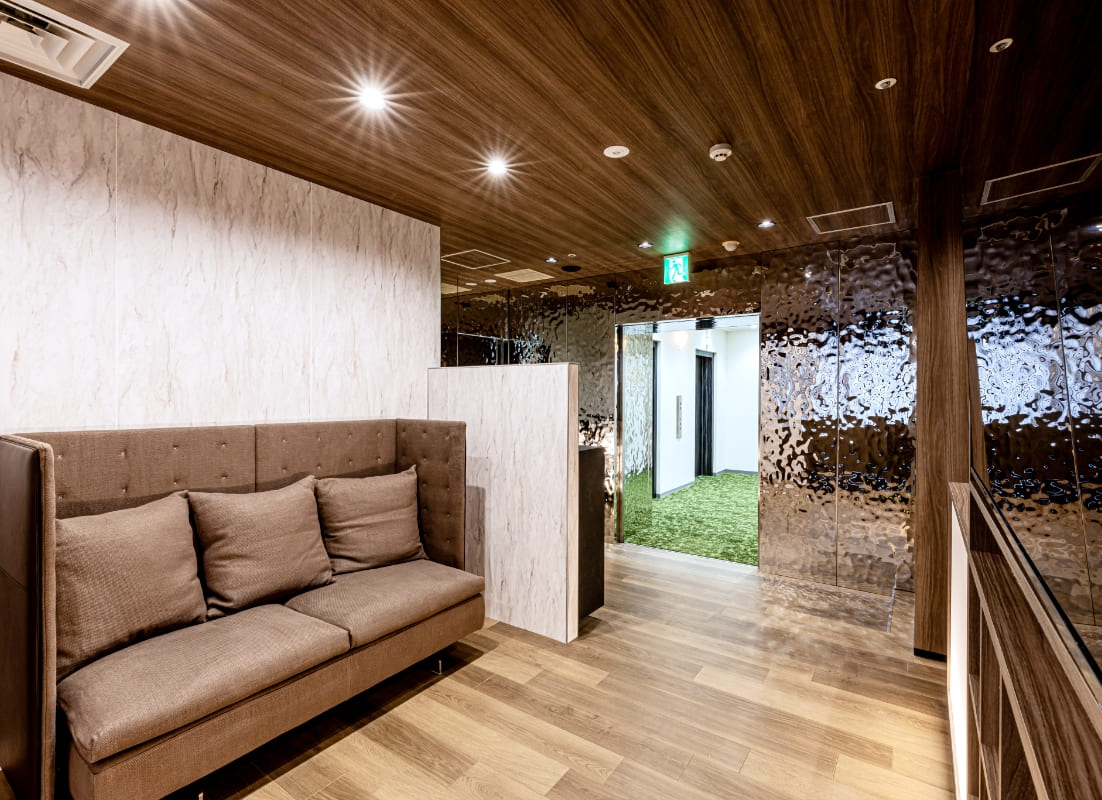
Where: 4F Midosuji Minami Building, 2-3-2 Nishi-Shinsaibashi, Chuo-ku, Osaka. Right on Midosuji, about 5 minutes on foot from Shinsaibashi Station or Namba Station.
Hours: 10:00 to 19:00. Closed on Wednesdays, Sundays and over the year-end holidays, with occasional other closures.
Language: The doctor speaks English with you directly. English and Mandarin interpreters are on site.
Privacy: Drips, local injections and fat harvesting are all done in private rooms.
Booking: WhatsApp or email, ideally before you arrive in Japan.
Consultation: A consultation with the doctor comes first. If you go ahead with treatment, the consultation fee is included in the treatment fee.
Good to Know Before You Book
Exosome and NMN products. The stem cell culture supernatant (exosome) product and the NMN drip product are not approved as medicines in Japan under the Pharmaceuticals and Medical Devices Act. They are offered as self-paid care under the physician’s responsibility. The exosome product is made in a laboratory managed by a cell processing facility in Japan that holds a Ministry of Health, Labour and Welfare licence. The NMN product is obtained from a research institution in Japan that holds quality and safety data. There is no approved medicine in Japan with the same ingredients. No serious adverse reactions have been reported overseas. Unapproved products are not covered by Japan’s Relief System for Sufferers from Adverse Drug Reactions.
Possible side effects. A drip can cause pain along the vein or mild redness where the needle goes in. Local injections can cause pain, redness, swelling or bruising at the site. Results vary between individuals, and the doctor may advise against a treatment after the consultation.
Why “hard to find at home”. Rules differ by country. In the United States, for example, the FDA states that there are currently no FDA-approved exosome products and that the only FDA-approved stem cell products are blood-forming stem cells from cord blood (FDA consumer alert). In Japan, therapy with your own cultured stem cells is provided under treatment plans notified to the Ministry of Health, Labour and Welfare.
Frequently Asked Questions
Can tourists get regenerative treatment in Osaka on the same day?
Yes. At Cell Grand Clinic the exosome IV drip, the NMN IV drip, the exosome facial and targeted exosome injections can be given on the day of your visit, after a consultation with the doctor. Book ahead by WhatsApp or email with your travel dates.
Can I have stem cell therapy in a single trip to Japan?
No. Therapy with your own cultured stem cells takes two visits about 7 weeks apart: fat is taken on the first visit, the cells are grown for about 7 weeks, and they are given back on the second visit. Plan about 3 days in Osaka for each visit.
Do I need to speak Japanese?
No. Dr. Wakabayashi speaks English with you directly, and English and Mandarin interpreters are on site.
How long do the IV drips take?
About 30 minutes each for the exosome IV drip and the NMN IV drip, in a private room.
Are these treatments approved in Japan?
Stem cell therapy at Cell Grand Clinic is provided under 15 MHLW-notified regenerative medicine treatment plans, as required by Japan’s Act on the Safety of Regenerative Medicine. The exosome and NMN products are not approved as medicines in Japan and are offered as self-paid care under the physician’s responsibility.
Add one more stop to your Osaka itinerary.
Message us with your travel dates. A consultation with the doctor comes first, and if you go ahead with treatment, the consultation fee is included in the treatment fee.
Updated: 2026.11.10