


 Inquiries by Email
 WhatsApp Reservation

Across 34 randomized controlled trials, people who received stem-cell (mesenchymal stem cell, MSC) therapy were about 3× more likely to meaningfully improve blood-sugar control than placebo (odds ratio 2.79). Stem cell therapy helps regenerate insulin-producing beta cells, ease insulin resistance, and repair diabetic complications — for patients whose medication keeps climbing while neuropathy, nephropathy, or foot ulcers advance.
At Cell Grand Clinic in Osaka, Japan, that evidence is delivered under Japan’s MHLW-certified regenerative-medicine framework, using up to 200 million of your own (autologous) adipose-derived stem cells via IV — cultured about 7 weeks from your own minimal fat tissue. Never donor cells.
MHLW Type 2 certified. NIH-trained physician. 3,000+ stem cell cases. Diabetes Plan No. PB5250050.
Figures summarize published trials (see References). Individual results vary; stem cell therapy is not a guaranteed cure.

- What Is Stem Cell Therapy for Diabetes?
- Why Conventional Therapy Hits a Wall
- How Adipose-Derived Stem Cells Treat Diabetes
- Type 1 vs Type 2 Diabetes Stem Cell Treatment: Which Responds Best?
- Beyond Blood Sugar: Treating Diabetic Complications with Stem Cells
- Stem Cell Therapy for Diabetes: Success Rate and Clinical Evidence
- 2026 Update: Zimislecel (VX-880), Islet Cell Therapy & What They Mean for Patients
- Is Stem Cell Therapy Right for Your Diabetes?
- Where Can You Get Stem Cell Treatment for Diabetes? Why Japan?
- Why Cell Grand Clinic for Diabetes Stem Cell
- The Treatment Protocol for International Patients
- What to Expect: Timeline of Stem Cell Therapy Results
- Frequently Asked Questions
- Take Control: From Symptom Management to Regeneration
- References
What Is Stem Cell Therapy for Diabetes?
Stem cell therapy for diabetes is a regenerative medicine approach that uses mesenchymal stem cells to regenerate insulin-producing beta cells, reverse insulin resistance, and repair diabetic complications including neuropathy, nephropathy, and retinopathy. A 2025 meta-analysis of 34 randomized controlled trials found that stem cell therapy is 2.79 times more effective than placebo at improving glycemic control (OR 2.79, 95% CI 1.63–4.75).
Stem cell therapy is not a fantasy—it’s a clinical reality refined across hundreds of peer-reviewed studies. And in Japan, it’s regulated, accessible, and increasingly proven for patients with type 1, type 2, and diabetic complications that conventional medicine cannot repair.
Why Conventional Therapy Hits a Wall
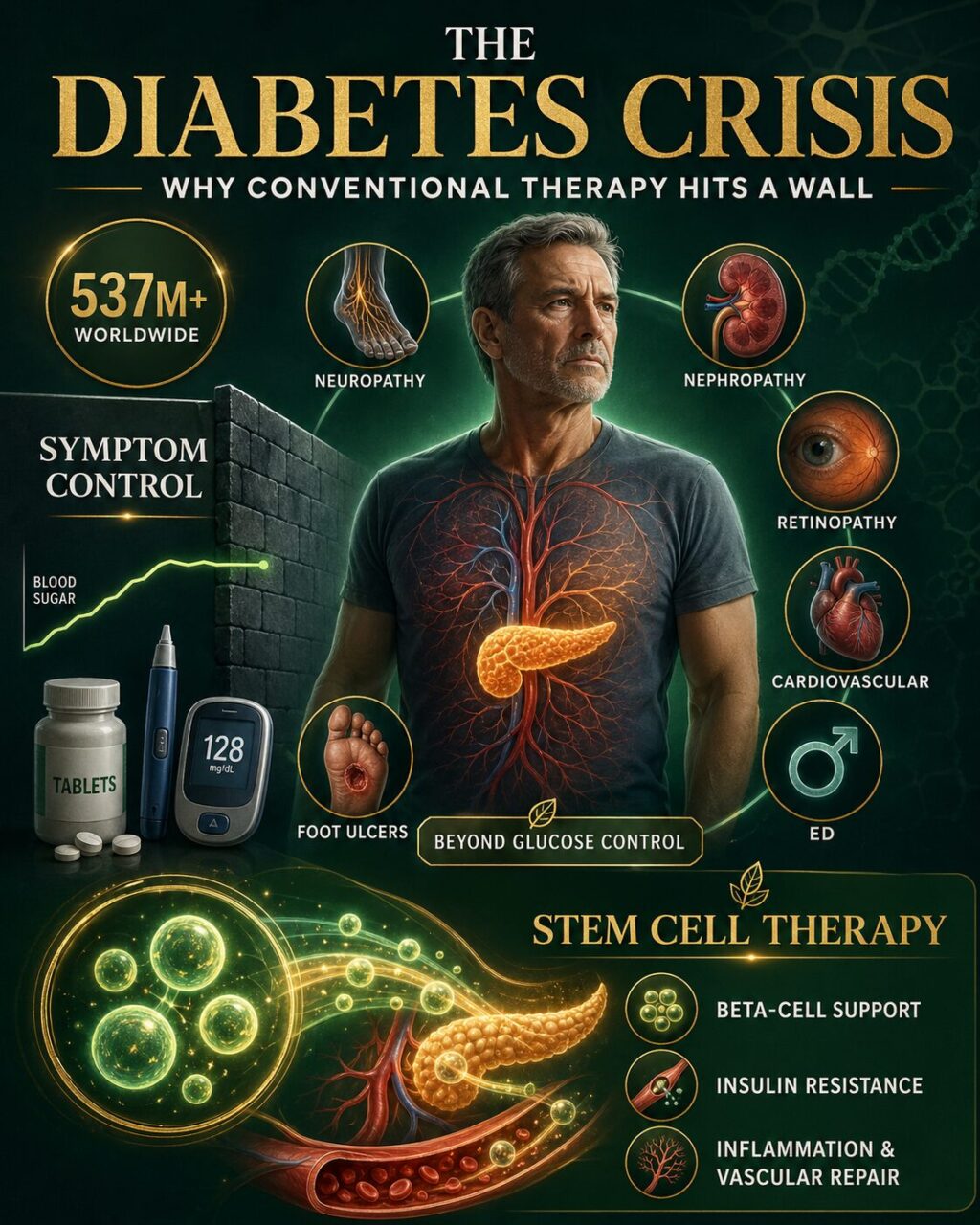
Insulin and oral medications control blood sugar but do not regenerate exhausted beta cells,
reverse insulin resistance, or repair the microvascular damage driving long-term complications.
More than 50% of long-term diabetes patients develop neuropathy, nephropathy, retinopathy, or
cardiovascular disease — outcomes that medication alone cannot prevent or reverse.
You take your medication, monitor your blood sugar, and follow every recommendation — and still the neuropathy spreads, the doses climb, and dialysis or laser treatment enters the conversation. Over 537 million people worldwide live with diabetes, and current strategies address the symptom (high blood sugar), not the underlying beta-cell loss, insulin resistance, and tissue damage that accumulate over years.
How Adipose-Derived Stem Cells Treat Diabetes
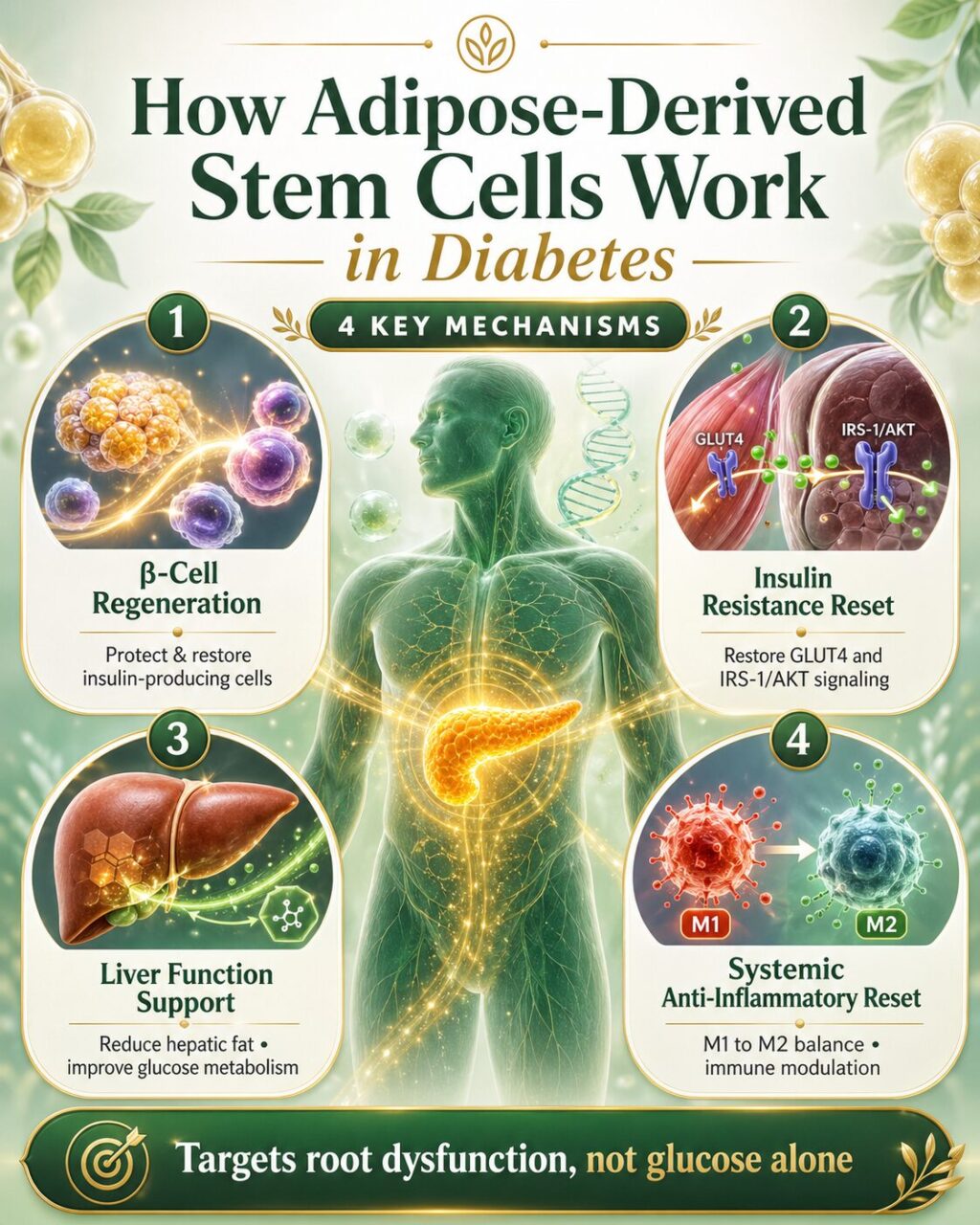
Adipose-derived stem cells (ADSCs) act through four mechanisms: they release growth factors
that protect and regenerate pancreatic beta cells, restore GLUT4 and IRS-1/AKT insulin signaling
pathways, suppress chronic inflammation via M1-to-M2 macrophage conversion, and improve
liver glucose metabolism. This systemic action targets the underlying disease, not only its
symptoms.
β-Cell Regeneration and Protection
Stem cells release growth factors — including VEGF, TGF-β, IGF-1, and HGF — that stimulate pancreatic β-cell regeneration and protect existing β-cells from further destruction. They reduce oxidative stress and suppress inflammatory cell death pathways.
For Type 1 Diabetes specifically, ADSCs modulate the misdirected autoimmune response that destroys β-cells — addressing the root immunological cause rather than compensating for its downstream effect. For Type 2 Diabetes, the focus shifts to regenerating β-cells exhausted by years of overdemand.
Reversal of Insulin Resistance at the Cellular Level
ADSC therapy increases GLUT4 expression — the glucose transporters in liver, muscle, and adipose tissue through which insulin moves glucose into cells. It restores the IRS-1/AKT signaling pathway, the primary molecular route through which insulin communicates with target tissues. It suppresses the NLRP3 inflammasome, a key inflammatory trigger that blocks insulin signaling.
This is not modest improvement in insulin sensitivity through a single pathway. This is restoration of the cellular machinery that makes insulin function properly — the same machinery that years of insulin resistance have progressively degraded.
Liver Function Restoration
The liver plays a central role in glucose regulation, and hepatic dysfunction is a significant contributor to both fasting and post-meal blood sugar elevation in diabetes. ADSC therapy improves liver function markers, reduces hepatic fat accumulation, and promotes glycogen synthesis — directly improving glucose metabolism through a route that oral medications cannot access.
Systemic Anti-Inflammatory Reset
Chronic low-grade inflammation is now recognized as a primary driver of both Type 1 and Type 2 Diabetes, not merely a consequence of them. ADSCs convert pro-inflammatory M1 macrophages to anti-inflammatory M2 macrophages, expand regulatory T cells for sustained immune balance, and shift the systemic cytokine profile from destructive to protective.
No single pharmaceutical achieves this breadth of anti-inflammatory action. It is a system-wide reset — and it is the same mechanism through which ADSC therapy also addresses diabetic complications.
Type 1 vs Type 2 Diabetes Stem Cell Treatment: Which Responds Best?
Stem cell treatment works for both Type 1 and Type 2 diabetes through different mechanisms. In
Type 1, stem cells suppress the autoimmune attack destroying beta cells. In Type 2, they reverse
insulin resistance and regenerate exhausted beta cells.
| Factor | Type 1 Diabetes | Type 2 Diabetes |
|---|---|---|
| Root cause | Autoimmune destruction of β-cells | Insulin resistance + β-cell exhaustion |
| Primary stem-cell action | Immune modulation — calming the autoimmune attack, protecting remaining β-cells | Metabolic restoration — easing insulin resistance, supporting exhausted β-cells |
| Clinical evidence | RCTs in newly-diagnosed patients: better HbA1c & C-peptide vs control; insulin production preserved (Hu 2013, n=29; ProTrans RCT 2023) | Stronger: HbA1c −1.31% in an n=91 double-blind RCT; −0.72 across 13 RCTs at 12 months |
| Best timing | Within 1–2 years of diagnosis (while β-cells remain) | Any stage — earlier tends to respond better |
| Complications treated | Neuropathy, nephropathy, retinopathy | Full range incl. foot ulcers, ED, cardiovascular |
Beyond Blood Sugar: Treating Diabetic Complications with Stem Cells
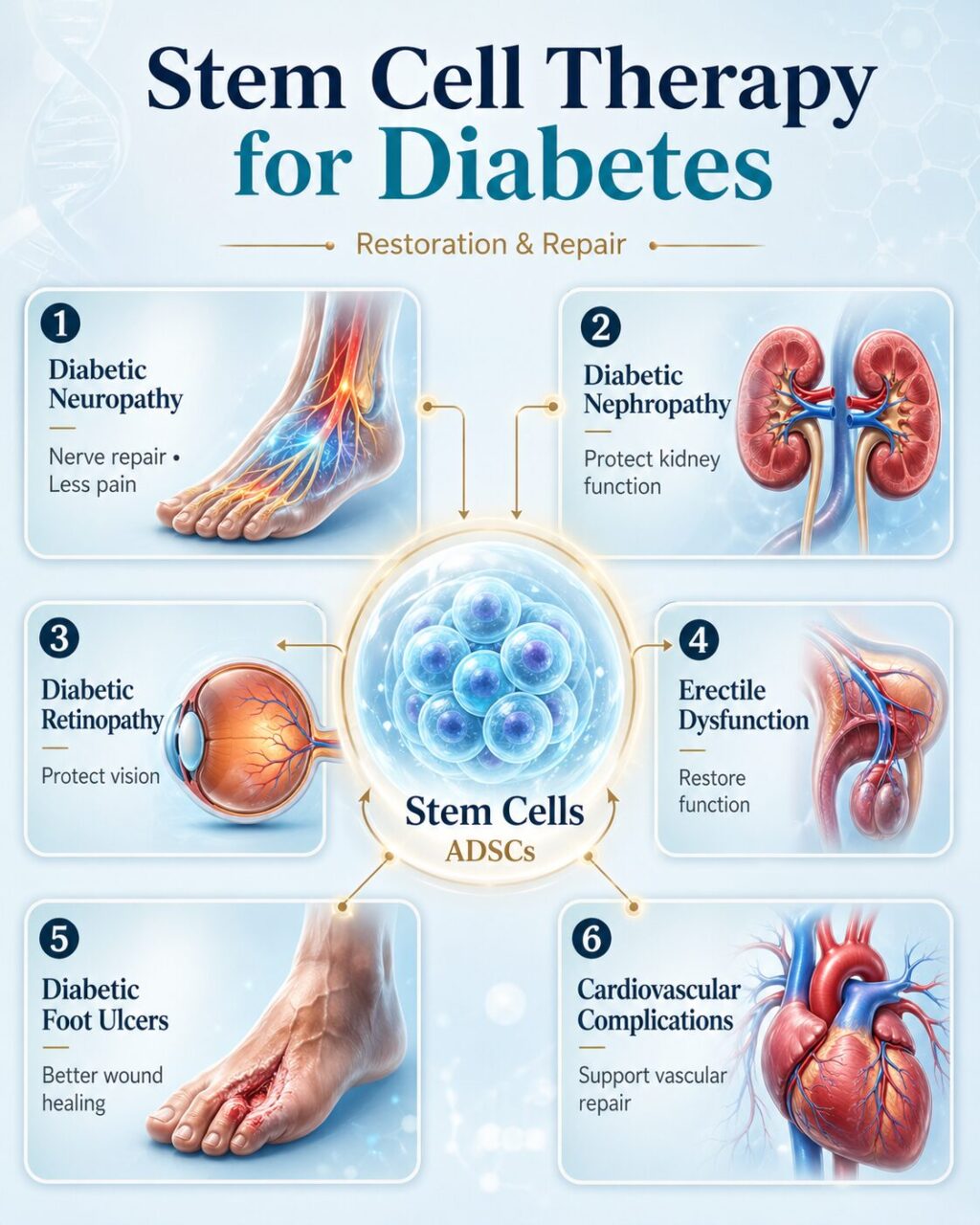
Stem cell therapy directly targets the diabetic complications that drug therapy cannot address:
neuropathy, nephropathy, retinopathy, foot ulcers, erectile dysfunction, and cardiovascular
disease. By restoring microcirculation, regenerating nerves, and reducing inflammation, ADSC
therapy works on the underlying tissue damage — keeping limbs, vision, and kidney function that
conventional treatment can only slow.
Diabetic Neuropathy
Neuropathic pain diminishes as stem cells regenerate nerve endings and restore blood flow. Many patients report improved sensation, warmth, and reduced numbness within 3–6 months.
Diabetic Nephropathy (Kidney Disease)
Kidney function stabilizes as stem cells reduce glomerular inflammation and promote podocyte repair. In a randomized trial (NEPHSTROM, 2023), MSC therapy slowed the rate of kidney-function (eGFR) decline versus placebo in type-2 patients with progressive diabetic kidney disease.
Diabetic Retinopathy
Vision and retinal health improve through restored retinal blood flow and reduced inflammation.
Diabetic Foot Ulcers
Enhanced wound healing through tissue regeneration and new blood vessel formation — directly addressing the condition that leads to amputation. Diabetic foot ulcers are the leading cause of non-traumatic lower limb amputation — this is the biological pathway that regenerative medicine is now demonstrating the ability to interrupt.
Erectile Dysfunction
Improved microcirculation and nerve function restores natural function — a result that PDE5 inhibitors (like Viagra) can only temporarily simulate. The mechanism and clinical evidence for this application are covered in depth in our article on stem cell therapy for erectile dysfunction.
Cardiovascular Complications
Improved endothelial function and reduced vascular inflammation — the most common cause of death in diabetic patients. Because the same vascular biology underlies arterial disease, stem cell therapy can also support reversing arterial plaque and treating atherosclerosis.
Related guide: Nerve damage is the complication patients ask us about most — see our dedicated article on whether neuropathy can be reversed and how nerve repair is approached.
Reach us directly — WhatsApp and email inquiries are free of charge.
Stem Cell Therapy for Diabetes: Success Rate and Clinical Evidence
Stem cell therapy for diabetes shows a success rate roughly 3 times higher than placebo for improving glycemic control. The 2025 meta-analysis of 34 randomized controlled trials (Li et al., Stem Cell Research & Therapy) reported an odds ratio of 2.79 (95% CI 1.63–4.75) — patients receiving stem cell therapy were nearly 3 times more likely to achieve meaningful improvement. Independent 2025 reviews reach the same direction, including a government-commissioned systematic review of 20 RCTs (778 patients) and a 13-RCT meta-analysis showing lower HbA1c and insulin needs at 12 months.
| Focus | Study type (size) | Key finding |
|---|---|---|
| Overall glycemic control | Meta-analysis (34 RCTs) | OR 2.79 — ~3× more likely to improve blood-sugar control (Li 2025) |
| Type 2 — double-blind RCT | RCT (n=91) | HbA1c −1.31%; 20% vs 4.55% reached target vs placebo (Zang 2022) |
| Type 2 — pooled RCTs | Meta-analysis (13 RCTs, 507 pts) | HbA1c −0.72 (P=0.0003); insulin −14.5 U/day at 12 months (2025) |
| Type 1 — newly diagnosed | RCT (n=29) + double-blind RCT | Better HbA1c & C-peptide vs control, sustained ~21 months; insulin production preserved (Hu 2013; ProTrans 2023) |
| Diabetic kidney disease | RCT (NEPHSTROM) | Slower eGFR decline vs placebo (2023) |
| Diabetic foot ulcers | Systematic review | ~56% more likely to heal (RR 1.56) |
Much of the strongest randomized evidence uses umbilical-cord / Wharton’s-jelly MSCs. These support the MSC approach broadly; Cell Grand Clinic uses autologous adipose-derived MSCs (your own cells). Individual results vary.
Type 2 Diabetes Stem Cell Therapy Success Rate
For type 2 diabetes, the evidence is the strongest. In a single-center, double-blind, placebo-controlled RCT of 91 adults, umbilical-cord MSC therapy lowered HbA1c by 1.31 percentage points (from ~9.0% to ~7.5%), and 20% of treated patients reached the combined target of HbA1c <7% plus a ≥50% insulin reduction, versus 4.55% on placebo (Zang et al., 2022). Pooling 13 RCTs, MSC therapy reduced HbA1c by 0.72 points and daily insulin by ~14.5 units at 12 months (2025 meta-analysis). Most type 2 patients see measurable HbA1c reduction within 3–6 months under physician supervision; results depend on disease duration and remaining β-cell function.
Type 1 Diabetes Stem Cell Therapy Success Rate
For type 1 diabetes, randomized evidence now goes beyond early pilots. In a randomized trial of 29 people with newly-diagnosed type 1 diabetes, Wharton’s-jelly MSC therapy produced significantly better HbA1c and C-peptide than standard insulin therapy alone, with benefits sustained over roughly 21 months (Hu et al., 2013). A later double-blind, placebo-controlled trial (ProTrans, 2023) found that allogeneic MSC treatment helped preserve the body’s own insulin production (C-peptide) in recent-onset patients. Separately, in 2025 an allogeneic stem-cell-derived islet therapy (zimislecel) enabled insulin independence in a phase 1–2 trial (NEJM) — a major advance, though it is a different modality (transplanted differentiated islet cells plus immunosuppression), not the IV autologous ADSC therapy described here.
The best window for type 1 is within 1–2 years of diagnosis, while functional β-cells remain. Stem cell therapy is not a guaranteed cure for type 1 diabetes.
2026 Update: Zimislecel (VX-880), Islet Cell Therapy & What They Mean for Patients
Stem cell research for diabetes has moved fast over the last two years, and it is worth being precise about what each headline means. Zimislecel (formerly VX-880) is an allogeneic, stem cell–derived islet-cell therapy — a form of islet cell transplantation — developed by Vertex Pharmaceuticals for type 1 diabetes. In the phase 1–2 portion of its trial published in the New England Journal of Medicine (2025), all 12 participants who received a full dose regained measurable islet function, and 10 of 12 (83%) no longer needed injected insulin at one year. Zimislecel is infused into the portal vein and requires lifelong immunosuppression; the most common serious adverse event was neutropenia. A phase 3 program is under way, and Vertex has said it plans regulatory submissions in 2026. As of this update, zimislecel is available only inside clinical trials.
For type 2 diabetes, a widely reported single-patient case from Shanghai (Cell Discovery, 2024) used islet tissue grown from the patient’s own reprogrammed endoderm stem cells, and the patient subsequently achieved insulin independence. This is an encouraging proof of concept — but it remains a single case at the research stage, not an approved therapy anywhere.
How is this different from the therapy described on this page? Islet-replacement approaches such as zimislecel aim to rebuild insulin production itself, and currently involve transplantation plus immunosuppression inside clinical trials. The autologous adipose-derived stem cell (ADSC) therapy performed in Japan is a different modality: your own cells, given intravenously, aimed at improving the metabolic environment and supporting complication care — without immunosuppression, and without any claim of being a cure. Patients ask us about these headlines every week; the honest answer is that islet replacement is genuinely promising but not yet accessible, while ADSC therapy is available now under Japan’s regenerative medicine framework, with the more modest, evidence-based goals described in the sections above.
Is Stem Cell Therapy Right for Your Diabetes?
You may benefit from stem cell therapy if you have Type 2 diabetes inadequately controlled by
medication, diabetic complications such as neuropathy or kidney disease, foot ulcers resistant to
standard care, or recently-diagnosed Type 1 diabetes (within 1–2 years). Active infection, current
cancer, and severe organ failure remain absolute contraindications.
- Type 2 diabetes not fully controlled by medication
- Diabetic neuropathy (numbness, tingling, pain)
- Early-stage diabetic kidney disease (declining eGFR)
- Foot ulcers resistant to standard wound care
- Diabetic erectile dysfunction
- Recent-onset type 1 diabetes (within 1–2 years)
- Active infection or sepsis
- Recent or active cancer
- Severe organ failure (end-stage kidney or liver)
- Unable to commit to follow-up monitoring
Where Can You Get Stem Cell Treatment for Diabetes? Why Japan?
Stem cell treatment for diabetes is offered in Japan, Mexico, Thailand, Germany, and Panama — but regulatory rigor varies enormously. Japan is the only country with a dedicated national law, the Act on the Safety of Regenerative Medicine (2014), requiring government-registered protocols, MHLW-certified cell processing, and ongoing safety monitoring for every treatment. For international patients weighing where to be treated, that regulatory layer is the difference between a verifiable protocol and an unmonitored one.
| Factor | 🇯🇵 Japan | 🇲🇽 Mexico | 🇹🇭 Thailand | 🇩🇪 Germany |
|---|---|---|---|---|
| Dedicated stem cell law | Yes (2014) | None | None | Partial |
| Government committee review | Mandatory | No | No | Varies |
| Licensed GMP cell-processing | Mandatory | Variable | Variable | Yes |
| National adverse-event registry | Mandatory | No | No | Partial |
At Cell Grand Clinic (Osaka), every diabetes treatment runs under MHLW-certified Provision Plan No. PB5250050, using autologous (your own) adipose-derived stem cells — no donor cells, no rejection risk.
Why Cell Grand Clinic for Diabetes Stem Cell
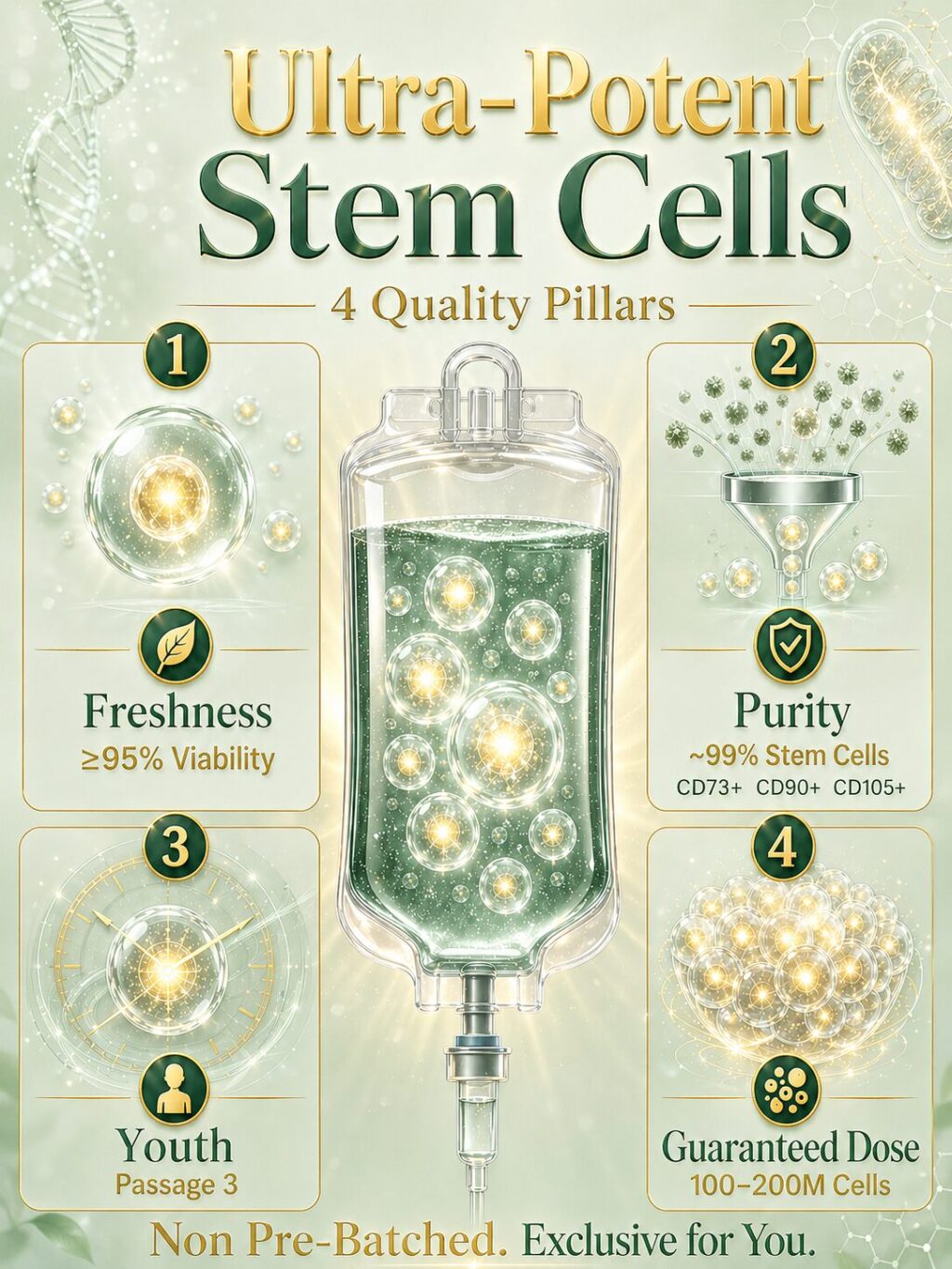
Cell quality: Fresh, Pure, and Young.
Cells are expanded at a government-certified Cell Processing Center over approximately 7 weeks — a culture duration deliberately maintained to reach therapeutic concentrations of up to 200 million cells per session. Each batch is verified for viability (≥95%), purity via multi-marker surface antigen screening (CD73+, CD90+, CD105+; CD45–, CD34–), and low passage (P3) before administration. Low-passage cells retain full regenerative capacity; clinics that rush culture timelines or use high-passage cells deliver a biologically diminished product.
15 MHLW-certified treatments
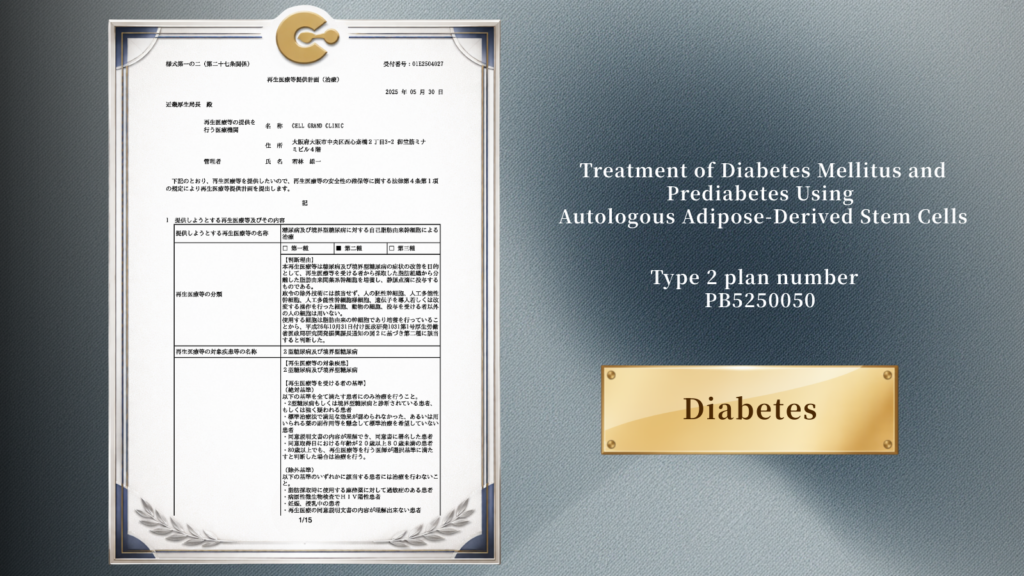
The clinic holds government-certified Regenerative Medicine Provision Plans under Japan’s Act on the Safety of Regenerative Medicine for 15 distinct treatments — including the specific Type 2 plan for Diabetes Mellitus and Prediabetes (Plan No. PB5250050). This is not a general operating license; each individual treatment plan requires independent government committee review and approval.
Physician credentials
The Medical Director trained at the U.S. National Institutes of Health (NIH) in neurological disorders research and holds Diplomate status with the American Board of Regenerative Medicine (ABRM) — the primary international board certification in this specialty. Over 3,000 stem cell treatments have been performed, spanning osteoarthritis, diabetes, chronic pain, frailty, erectile dysfunction, hair loss, and aesthetic rejuvenation. Research achievements include first-author publication of the world’s first-in-human use of a PDE4B-specific PET tracer, conducted in collaboration with Pfizer Inc., and media coverage in The Wall Street Journal.
The Treatment Protocol for International Patients
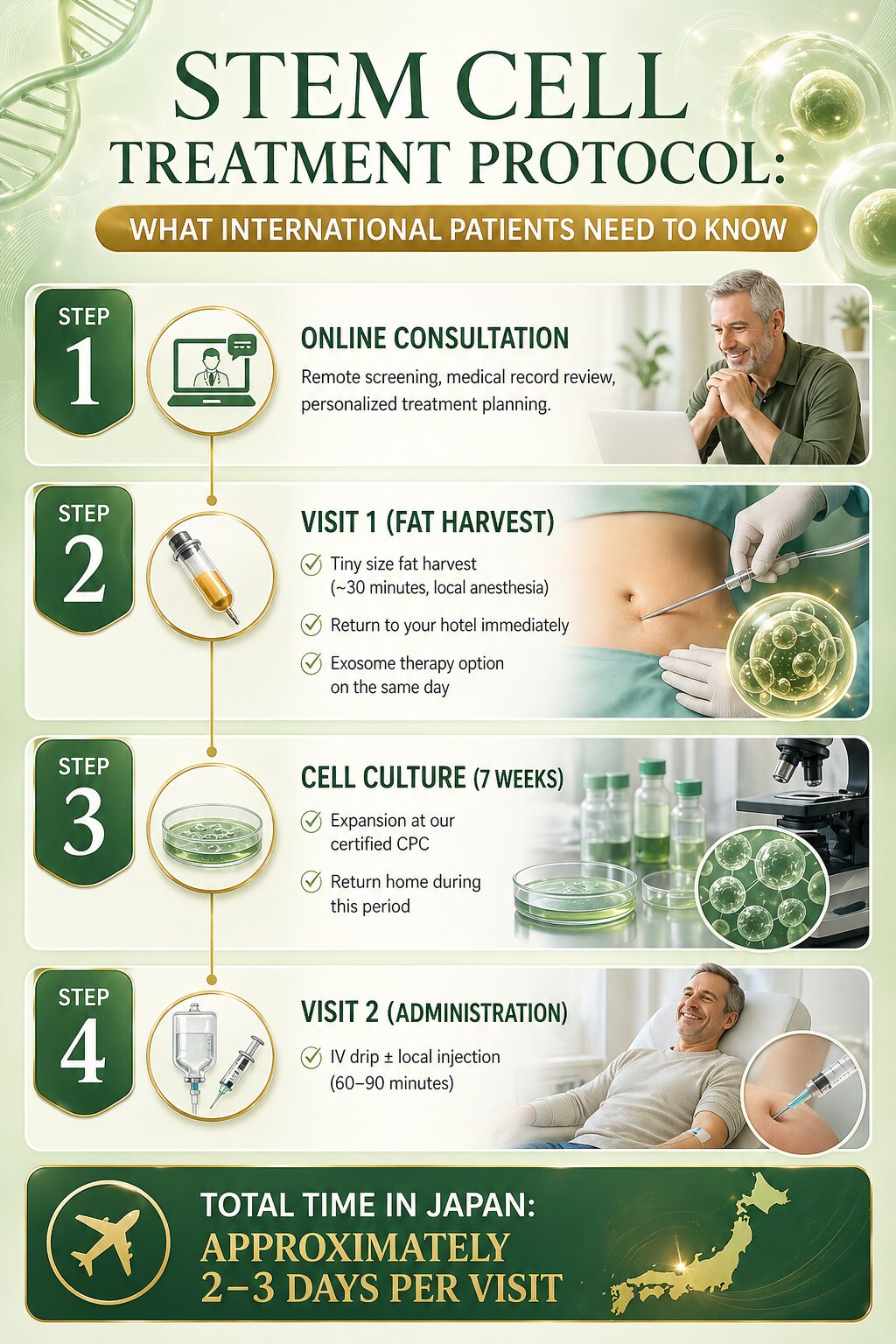
Step 1 — Online Consultation: Remote screening, medical record review, personalized treatment planning.
Step 2 — Visit 1 (Fat Harvest): Tiny size fat harvest (~30 minutes, local anesthesia). Return to your hotel immediately.
On the very same day as your fat collection, you also have the option to receive exosome therapy. Culturing your own stem cells takes several weeks, and many patients don’t want to simply wait while their symptoms continue. Exosomes—the tiny signaling messengers naturally released by stem cells—can help calm inflammation and ease discomfort during this period, so you’re already starting to feel better by the time your cultured cells are ready. Think of it as a bridge: exosomes work with your treatment timeline, not against it.
Step 3 — Cell Culture (7 weeks): Expansion at our certified CPC. Return home during this period.
Step 4 — Visit 2 (Administration): IV drip ± local injection (60–90 minutes).
Total time in Japan: approximately 2–3 days per visit.
Innovative W-injection ~Our feature~
Systemic IV drip: 100–200 million ADSCs administered intravenously over 60–90 minutes. This is the primary route for Type 1 and Type 2 Diabetes, delivering cells systemically to address pancreatic function, insulin resistance, and vascular inflammation throughout the body.
Local injection: Customized dosing for targeted complications such as diabetic erectile dysfunction, where cavernosal injection achieves higher local cell concentration at the tissue level.
Combination protocol: IV drip plus local injection for patients with both systemic disease and specific complication targets.
Drug-Free ED Treatment: Stem Cells Without Pills or Implants Learn More Exosome Therapy: Same-Day, Cell-Free Regeneration Learn MoreWhat to Expect: Timeline of Stem Cell Therapy Results
At 1–3 months: Initial improvements in glucose levels and neuropathy symptoms
At 3–6 months: Measurable HbA1c reduction and C-peptide increase
After 6months: Sustained effects and potential medication reduction under physician supervision.
Reach us directly — WhatsApp and email inquiries are free of charge.
Frequently Asked Questions
Can stem cell therapy cure my diabetes?
We do not use the word “cure.” What clinical evidence demonstrates is that many patients achieve clinical remission — where blood sugar stabilizes to the point where medication can be significantly reduced or paused under physician supervision. The degree of improvement depends on your disease duration, remaining β-cell function, severity of insulin resistance, existing complications, and overall metabolic health.
Is autologous stem cell therapy safe?
Autologous ADMSC therapy has an excellent safety profile. Because we use your own cells, there is no immune rejection risk. A comprehensive 15-year meta-analysis published in Stem Cell Research & Therapy (2021) found no serious adverse events such as death and infection associated with MSC therapy. Japan’s regulatory framework adds an additional layer of safety assurance unmatched globally.
I am worried about complications like blindness or amputation. Can stem cell therapy help?
Yes. One of the most significant benefits of ADMSC therapy is angiogenesis — the formation of new blood vessels. By restoring microcirculation to the eyes, kidneys, nerves, and extremities, stem cell therapy directly opposes the vascular deterioration that leads to these devastating complications. This is something no oral medication can do.
Do you treat both Type 1 and Type 2 Diabetes?
Yes. For T1DM, ADMSCs halt autoimmune destruction and protect remaining β-cells. For T2DM, the focus is on reversing insulin resistance, reducing systemic inflammation, and regenerating β-cell function. Both types benefit substantially from treatment of diabetic complications.
Who is not a candidate for stem cell therapy?
Exclusion criteria are limited but important: active infection, recent or active cancer, severe organ failure, or inability to commit to follow-up monitoring. Most diabetic patients, including those with complications, are suitable candidates. A consultation determines individual eligibility.
Where can I get stem cell treatment for diabetes?
Stem cell treatment for diabetes is available in several countries, but regulatory quality varies significantly. Japan is currently the only country with a dedicated national law governing stem cell therapy — the Act on the Safety of Regenerative Medicine (2014) — which requires government registration, certified cell processing, and ongoing safety monitoring for every treatment. Cell Grand Clinic in Osaka, Japan holds MHLW-certified Regenerative Medicine Provision Plan No. PB5250050 specifically for diabetes and prediabetes. Other countries offering stem cell therapy for diabetes include Mexico, Thailand, Germany, and Panama — but none operate under an equivalent regulatory framework. When evaluating clinics, key questions to ask include: Is the treatment government-registered? Is the cell processing facility certified to GMP standards? Does the physician hold board certification in regenerative medicine?
How much does stem cell therapy for diabetes cost?
The cost of stem cell therapy for diabetes varies by country, clinic, and treatment protocol. In Japan, where treatments are government-regulated and use certified cell processing facilities, pricing reflects the quality control and regulatory compliance involved. At Cell Grand Clinic, treatment costs depend on the number of cells administered, the delivery method (IV drip, local injection, or combination), and whether complication-specific treatments are included. We recommend contacting us directly for a personalized cost estimate based on your medical history and treatment goals — WhatsApp and email inquiries are free of charge.
Can stem cell therapy reverse type 2 diabetes?
Clinical evidence suggests that stem cell therapy can partially reverse the metabolic dysfunction underlying type 2 diabetes — specifically insulin resistance and β-cell exhaustion — though the term “reversal” requires careful qualification. A 2025 meta-analysis found that stem cell (MSC) therapy improved glycemic control about 2.8 times more often than placebo overall (odds ratio 2.79), with more pronounced effects reported in type 2 diabetes. The mechanism involves restoration of GLUT4 glucose transporters, repair of insulin signaling pathways (IRS-1/AKT), and suppression of chronic inflammation (NLRP3 inflammasome). Many patients achieve significant HbA1c reduction and medication reduction under physician supervision. However, stem cell therapy is not a guaranteed cure — outcomes depend on disease duration, remaining pancreatic function, and adherence to metabolic management after treatment.
Is there a Japanese cure or remedy for diabetes?
Searches for a “Japanese cure for diabetes” usually refer to Japan’s regenerative-medicine approach — using stem cells to repair the underlying disease rather than only lowering blood sugar. Japan does not market a “cure.” Under the Act on the Safety of Regenerative Medicine (2014), clinics provide government-registered stem cell treatment that aims to regenerate β-cells, reduce insulin resistance, and repair complications. Many patients reach clinical remission — a significant, sustained reduction in medication — but outcomes vary and stem cell therapy is not a guaranteed cure.
Take Control: From Symptom Management to Regeneration
You have spent years managing your diabetes with medication. The numbers may look acceptable on paper. But if you are honest with yourself, you know the disease is progressing. The complications are advancing. The medication doses are increasing.
There is another path — one that does not replace your medications overnight, but offers something no pill or injection ever could: the opportunity to repair the damage, restore function, and potentially reduce your dependence on lifelong pharmaceutical management.
Stem cell therapy is not about abandoning conventional medicine. It is about adding a regenerative dimension to your treatment — one that works to heal the underlying disease rather than merely suppress its symptoms. This is the future of diabetes care, and it is available today under the strictest regulatory oversight in the world.
At Cell Grand Clinic in Osaka, Japan, we provide personalized stem cell therapy for international patients who are ready to move beyond management — toward regeneration.
📍 Shinsaibashi, Osaka, Japan | ✈️ 50 min from Kansai International Airport (KIX)
🌐 English consultations available | 📋 MHLW Plan No. PB5250050 (Diabetes Mellitus and Prediabetes)
Reach us directly — WhatsApp and email inquiries are free of charge.
References
- Li H, et al. A meta-analysis on application and prospect of cell therapy in the treatment of diabetes mellitus. Stem Cell Res Ther. 2025;16(1):249. PMID 40390031
- Zang L, et al. Umbilical cord-derived MSCs in Chinese adults with type 2 diabetes: double-blind, randomized, placebo-controlled phase II trial. Stem Cell Res Ther. 2022. PMID 35505375
- MSC-based therapy for type 1 & 2 diabetes: systematic review and meta-analysis of RCTs. Diabetol Metab Syndr. 2025. PMID 40462158
- Efficacy and safety of stem cell therapy in diabetes mellitus — systematic review and meta-analysis (20 RCTs). Syst Rev. 2025. PMID 41639868
- Hu J, et al. Long-term effects of Wharton’s jelly-derived MSCs for newly-onset type 1 diabetes (RCT, n=29). Endocr J. 2013. PMID 23154532
- Carlsson PO, et al. Umbilical cord–derived MSCs preserve endogenous insulin production in type 1 diabetes: Phase I/II RCT (ProTrans). Diabetologia. 2023. PMID 37221247
- Zimislecel (stem cell–derived islets) for type 1 diabetes. N Engl J Med. 2025. PMID 40544428
- NEPHSTROM: MSC therapy in diabetic kidney disease, randomized trial. J Am Soc Nephrol. 2023. PMID 37560967
- Elainein H, et al. ADSCs for diabetic foot ulcers: systematic review and meta-analysis. Diabetol Metab Syndr. 2025.
- Wang Y, Yi H, Song Y. The safety of MSC therapy over the past 15 years: a meta-analysis. Stem Cell Res Ther. 2021;12:545. PMID 34663461
- Reichman TW, et al. Stem Cell–Derived, Fully Differentiated Islets for Type 1 Diabetes. N Engl J Med. 2025;393(9):858-868. PMID: 40544428
- Wu J, et al. Treating a type 2 diabetic patient with impaired pancreatic islet function by personalized endoderm stem cell-derived islet tissue. Cell Discov. 2024;10(1):45. PMID: 38684699
Disclaimer: Educational content, not medical advice. Individual results vary; outcomes depend on health condition, disease severity, and remaining β-cell function. Cell Grand Clinic operates under Japan’s Act on the Safety of Regenerative Medicine with required government authorizations.
Updated: 2026.08.24